
Using Skip Hire Near Me for DIY and Home Renovation Waste Safely
DIY projects and home renovations can generate considerably more waste than expected. Removing an old kitchen, replacing bathroom fittings, clearing a loft or renovating several rooms can leave timber, packaging, old fixtures and general debris taking up valuable space. Without a suitable plan for removing these materials, working areas can quickly become cluttered and harder to manage.
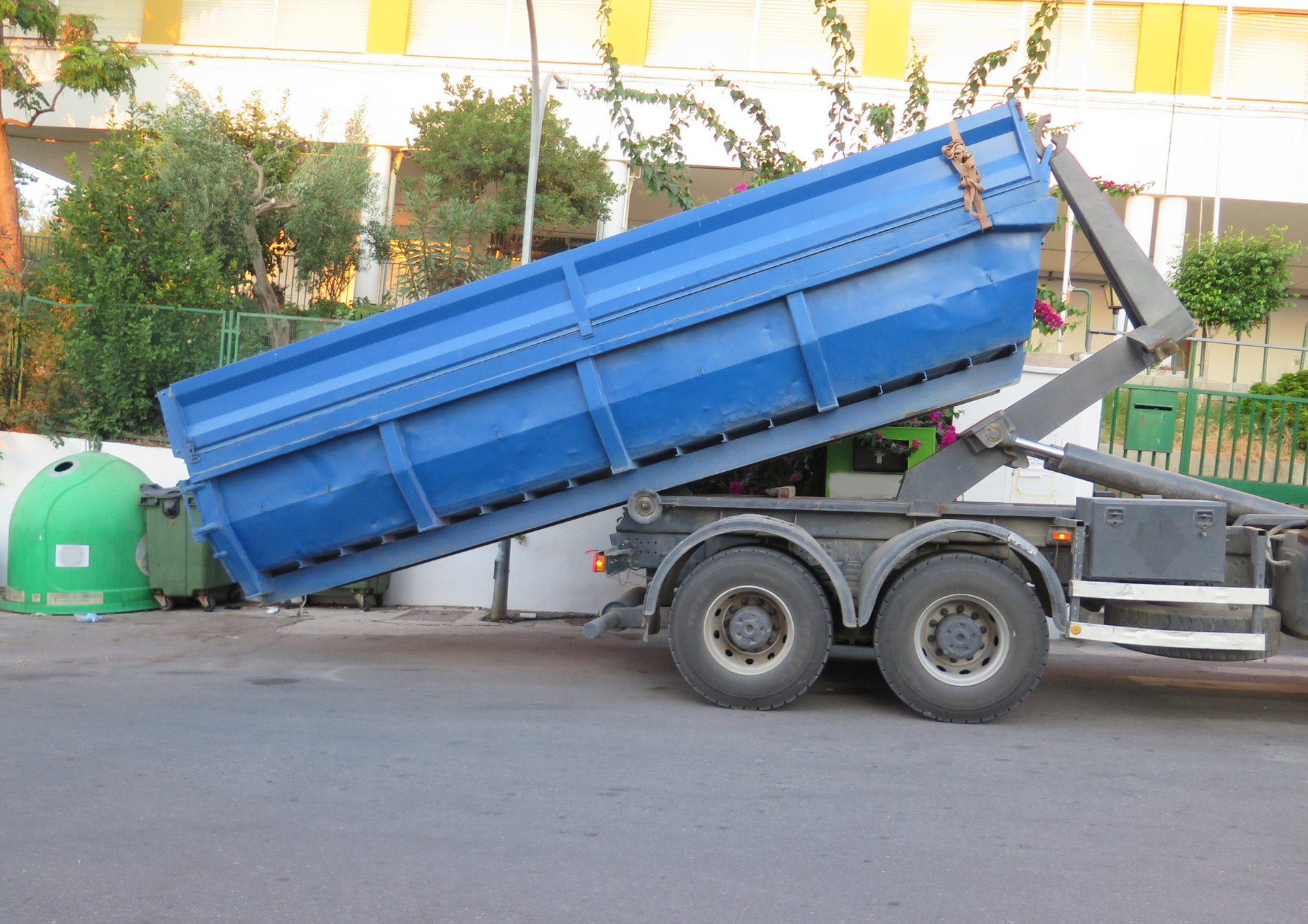
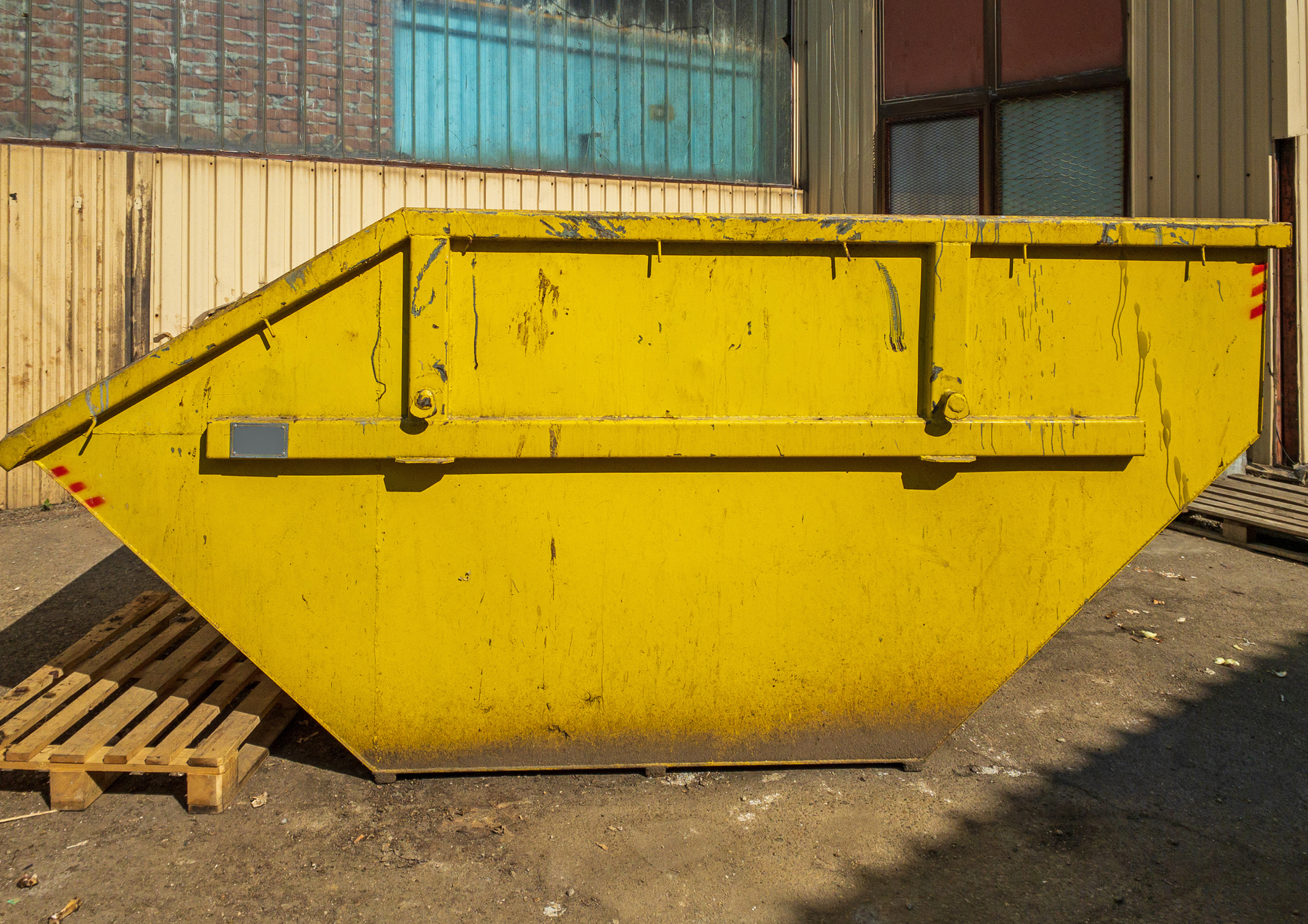
Using skip hire near me can provide a practical way to keep unwanted materials contained while work progresses. Rather than allowing rubbish to accumulate around a driveway, garden or interior working area, a suitable container provides a designated place for appropriate waste. This can be particularly helpful when several stages of a renovation are being completed over a relatively short period.
Homeowners carrying out their own improvements are not the only people who may need an organised waste solution. Landlords preparing properties between occupancies, surveyors overseeing remedial work and local authorities coordinating maintenance can encounter similar requirements. Residential and commercial properties can also produce very different waste volumes depending on their size, age and the extent of the work.
In Wrexham, properties range from established residential homes to newer developments and commercial premises, creating varied requirements for renovation and clearance work. The same principles apply elsewhere in the UK: understanding what materials are likely to be removed, how much space is available and how long the project will take can make waste management much easier to organise.
Planning before work starts is therefore worthwhile. A little preparation can help determine suitable capacity, identify a convenient position and reduce the likelihood of waste interfering with the project as it progresses.
Identifying Waste from Different DIY and Renovation Projects
Different home improvement projects produce different quantities and types of waste. Understanding what is likely to be removed before work starts can help customers select suitable capacity and organise their working area more effectively. People researching skips near me should consider the actual scale of their project rather than choosing an option based only on what appears convenient initially.
Kitchen Renovations
- Removing kitchen units can produce bulky cabinets, worktops, shelving and fittings within a short period.
- Flooring, tiles and packaging from replacement products can add considerably to the overall volume.
- Dismantling suitable items before loading can help make more effective use of the available space.
- Planning waste removal before stripping out the existing kitchen can help prevent materials from blocking access.
Bathroom Improvements
- Bathroom projects may involve old units, tiles, flooring, packaging and various fixtures.
- Even relatively small rooms can generate a surprising quantity of material once existing features have been removed.
- Keeping waste contained helps maintain clearer routes through the property while trades or occupants continue to move around.
- Materials should be checked before disposal so unsuitable items are not placed in the container.
Loft and Garage Clearances
- Storage spaces often contain belongings accumulated over many years, making waste quantities difficult to estimate at first.
- Boxes, old furniture, broken household items and miscellaneous materials can occupy substantial space.
- Sorting possessions before delivery allows reusable or wanted items to be separated from material intended for disposal.
- Working systematically through the area can provide a clearer estimate of the capacity required.
Larger Renovation Work
- Multi-room projects may generate waste continuously rather than during a single stage.
- Old flooring, timber, internal fittings and decorating materials can quickly accumulate.
- Coordinating disposal with the project schedule helps prevent working areas from becoming unnecessarily congested.
- Customers should consider the complete renovation rather than estimating requirements based only on the first room being completed.
Thinking about each stage separately can make the overall volume easier to estimate. This is especially useful for larger properties where several rooms or areas are being improved at the same time.
Planning Where and When to Position Your Container
Choosing appropriate capacity is only part of organising renovation waste. Customers also need to consider where the container will be positioned and when it should arrive. Good placement can make loading easier while helping maintain access for residents, contractors and other visitors to the property.
A private driveway can provide a convenient position where sufficient space is available. Before booking, it is useful to consider whether the delivery vehicle can approach the area safely and whether parked cars, gates, walls, trees or other obstacles could restrict access. Clearing the intended location beforehand can make delivery more straightforward.
Properties without suitable private space may require different arrangements. The requirements can vary depending on where the container needs to be positioned, so customers should establish what applies to their circumstances before making firm plans. This is particularly important for homes on narrower residential streets or in areas where parking space is limited.
Timing should also be coordinated with the work itself. Having a container delivered too early may mean it occupies space before it is needed, whereas arranging it after demolition or stripping-out has begun can result in waste accumulating around the property. Ideally, delivery should correspond with the point at which significant quantities of material are expected to be generated.
Customers searching for skip bins near me can benefit from thinking about accessibility and timing before concentrating on capacity alone. A suitable option should not only hold the expected waste but also fit practically into the available area and the wider project schedule.
Landlords and property managers may need to consider occupants or neighbouring properties when planning placement. Keeping shared entrances, parking areas and pedestrian routes accessible can reduce inconvenience while work is underway. Similar considerations apply to commercial properties where normal operations may continue during refurbishment.
The length of the project should be considered as well. A weekend clearance may have straightforward requirements, while a renovation lasting several weeks can generate waste at different rates. Understanding when the greatest quantities will arise helps customers plan a more efficient approach.
Preparation ultimately makes the process easier. Measuring available space, checking access and discussing any unusual site characteristics before delivery can reduce the risk of complications once the project has started.
Choosing Suitable Capacity Without Paying for Unnecessary Space
Selecting appropriate capacity requires a realistic estimate of how much material the project is likely to produce. Choosing something too small can result in space running out before work is finished, while an unnecessarily large option may provide capacity that is never used. Comparing skip hire near me. choices according to project scale can help customers find a practical balance between available room and expected waste.
Small DIY Projects
- Decorating individual rooms, replacing limited flooring or completing minor repairs may produce relatively modest amounts of waste.
- Compact capacity can be useful where space outside the property is restricted.
- Customers should still account for bulky materials that may occupy more room than their weight suggests.
- Sorting waste before loading can help maximise usable space.
Medium Home Improvements
- Kitchen and bathroom refurbishments generally produce more material than straightforward decorating work.
- Old cabinets, worktops, flooring and fixtures can quickly use available capacity.
- Considering all stages of the renovation before booking helps create a more realistic estimate.
- Additional room may be worthwhile where several related tasks are being completed together.
Major Renovations
- Multi-room refurbishments and larger property improvements can generate substantial quantities over an extended period.
- Waste may arise during stripping out, structural work, installation and final finishing.
- Planning capacity around the complete programme can help reduce interruptions.
- Larger projects may require more detailed coordination between waste removal and contractor schedules.
Residential and Commercial Properties
- Landlords clearing rental properties may need capacity for furniture, fittings and accumulated household items.
- Commercial refurbishments can involve office furniture, internal fixtures, packaging and other materials.
- Surveyors and local authorities coordinating works may need to account for several stages or contractors.
- The available loading area and site access should be considered alongside the expected quantity.
Capacity decisions are easier when the project has been assessed before work begins. Walking through the property, identifying what will be removed and considering which materials are particularly bulky can provide a more useful estimate than simply guessing based on the number of rooms involved.
Comparing Value When Arranging Local Waste Removal
Price naturally matters when planning a DIY project or renovation, particularly when several different materials, trades and services need to be budgeted for. However, the lowest initial quotation does not automatically provide the best overall solution. Capacity, service arrangements, hire duration and reliability should all be considered together.
A customer searching for the cheapest skip hire near me may initially focus on the advertised figure, but it is worth establishing exactly what is included before deciding. A service that appears inexpensive may offer little value if the chosen capacity is unsuitable or the arrangements do not fit the project schedule. Comparing equivalent options provides a more meaningful basis for making a decision.
The type of project should remain central to the comparison. Someone clearing a garage over a weekend has different requirements from a landlord refurbishing an entire property or a contractor coordinating a commercial renovation. Looking at the service in relation to the actual work helps customers avoid paying for features they do not require while ensuring essential arrangements are covered.
Clear communication is also valuable. Customers should be able to explain the type of waste being generated, expected project duration and access conditions at the property. Providing this information early allows potential difficulties to be identified before delivery.
For customers researching skip hire prices near me, the useful comparison is therefore not simply which quotation is lowest, but which option offers suitable capacity and dependable arrangements for the specific project. Understanding what is included can make budgeting more predictable and help avoid unnecessary changes later.
Responsible loading can also affect value. Making effective use of the available capacity reduces wasted space, while separating items that should not be included helps avoid complications. Breaking down suitable bulky materials can sometimes create significantly more room.
Home renovation budgets often involve many separate expenses, so predictable waste management can make overall planning easier. Considering disposal at the beginning rather than treating it as an afterthought gives customers a clearer understanding of how the project will be organised from start to finish.
Skip Hire Wrexham provides practical waste removal support for homeowners, landlords, surveyors, local authorities and those responsible for residential and commercial properties. We understand that DIY projects and renovations can vary significantly, which is why the expected volume, available space and project schedule should all be considered when arranging a suitable service.
Our approach focuses on clear communication and straightforward guidance. Whether customers are clearing a single room, renovating an entire home or coordinating work at a commercial property, understanding the requirements before delivery can help make the process easier to organise.
We aim to help customers consider capacity, placement and collection arrangements in relation to their individual project rather than assuming that one solution will suit every property. Local knowledge can also be useful when dealing with different access conditions throughout Wrexham and the surrounding area.
For customers planning renovations or clearances, choosing an appropriate skip hire near me solution can provide the capacity and flexibility needed to keep unwanted materials organised throughout the work.
Check out our latest X update on using
skip hire near me for safe and efficient DIY and home renovation waste removal!
Skip Hire Wrexham
01978 807 593
10 Market Street
Wrexham, LL13 8BY
United Kingdom
You might also like